

Types of Emergencies
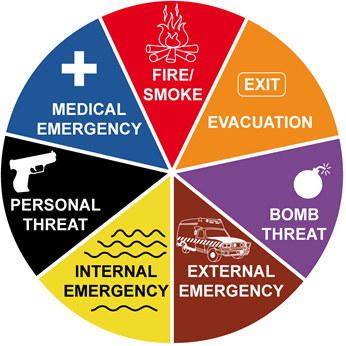
Types of Emergencies
Know the Risks in Your Community – Take action today
Do you know what do in a power failure, flood or winter storm? Do you have everything you need during an emergency?
Learn about some of the risks in Sari and how you can prepare.
As global temperatures continue to rise and the world’s climate continues to destabilize, cities around the world are experiencing more extreme and unusual weather events including extreme temperatures, precipitation, droughts and storms. The incidence of extreme weather is expected to increase in frequency and severity in the years to come.
Check for weather alerts and advisories before you go outdoors:
https://www.theweathernetwork.com/ir/weather/mazandaran/sari
Extreme Cold
Winter storms such as blizzards, ice storms and heavy snowfalls may create hazardous conditions, frozen or burst pipes, and cause power disruptions. Health impacts associated with extreme cold include frostnip, frostbite, and hypothermia.
Know Your Risks
Health impacts
- Potential health impacts associated with extreme cold include frostnip, frostbite, and hypothermia. In severe cases, hypothermia can lead to organ failure and even death.
- People most at risk of cold-related illness are people experiencing homelessness, people who work outdoors, people with a pre-existing heart condition or respiratory illness, people taking certain medications, and infants and young children.
Water pipes impacts
- Frozen pipes can leave you with no water and cause your pipes to burst, leading to expensive property damage. If your pipes are prone to freezing, you may wish to contact a plumber for advice.
- Road Impacts:
- Damage and disruption to roads, transportation systems and other infrastructure.
- Dangerous driving and walking conditions.
Actions you can take now
Take steps to protect your pipes from freezing
- The pipes in your home can freeze in cold weather. This can leave you with no water or cause your pipes to burst, leading to expensive property damage. Take steps to protect your pipes from freezing and learn what to do if they freeze.
Maintain the trees on your property
- Regularly inspect and prune the trees on your property to encourage the health of the tree and reduce the risk of damaged or diseased limbs falling on power lines during extreme storms.
During a winter storm or extreme cold event
Heat your home to 21°C. For renters:
If your home is heated with natural gas, ensure your appliance vents are not blocked with snow or ice. As a safety precaution some furnaces will automatically turn off if vents are blocked. Learn more.
For emergency shelter 24/7:
- Call 311 or central Intake 1-877-338-3398 (free call)
Stay active and safe
- Wear waterproof and windproof outer layers, a hat and warm mittens
- Choose wool, silk or polypropylene inner layers of clothing; these materials hold more body heat than cotton
- Change into dry clothing as soon as possible if you get wet from precipitation, sweat or submersion in water
- Wear several layers of warm lightweight clothing when shovelling snow and follow medical advice if you have a history of back or heart problems
- Reschedule outdoor activities and limit time outdoors if severe weather is forecast
- Notify friends or family where you will be when going on outdoor activities, such as hiking and skiing
Take care when walking on ice
- Take care when walking on ice, many cold-weather injuries result from slips and falls on ice-covered surfaces
- Keep your steps and walkways free of ice and snow by using rock salt or other de-icing compounds
- Call 311 for information on sidewalk snow clearing and free snow removal services for senior and disabled persons
Be cautious about travel
- Listen to the weather forecast
- Avoid travelling in low visibility and on ice covered roads
- Clear your vehicle windows of all frost and snow so you can clearly see pedestrians, cyclists and other road users
- Take a charged mobile phone
- Make sure your car has a survival kit including a first aid kit, water and additional warm clothing and let someone know your destination and when you expect to arrive
- Cycle along the City’s network of cycling snow routes, which receive enhanced levels of snow plowing, salting and snow removal.
If your pipes are frozen
- If you turn on your tap and have no water, your pipes may be frozen. What to do if your pipes freeze.
Clearing snow and ice from your property
- Clearing snow and ice from your natural gas meter and appliance exhaust vent
- Safety precautions when shoveling snow
- City snow clearing services and timing
- Snow clearing assistance for seniors and persons with a disability – application
- Parking during major snowstorms
Services for people experiencing homelessness:
- If you see someone on the street who needs outreach assistance – which may include a shelter bed due to the cold – call 311. For medical emergencies, call 111
.jpg )


